
November 2026 · Hair Color
Color Correction, Explained Honestly: From Consultation to Plan
Most clients arrive believing a color correction is a new color applied with more determination. It is not. It is the careful undoing of a history, and it starts with questions, not with bleach.
By Cris, licensed cosmetologist and owner of CRIS HAIR
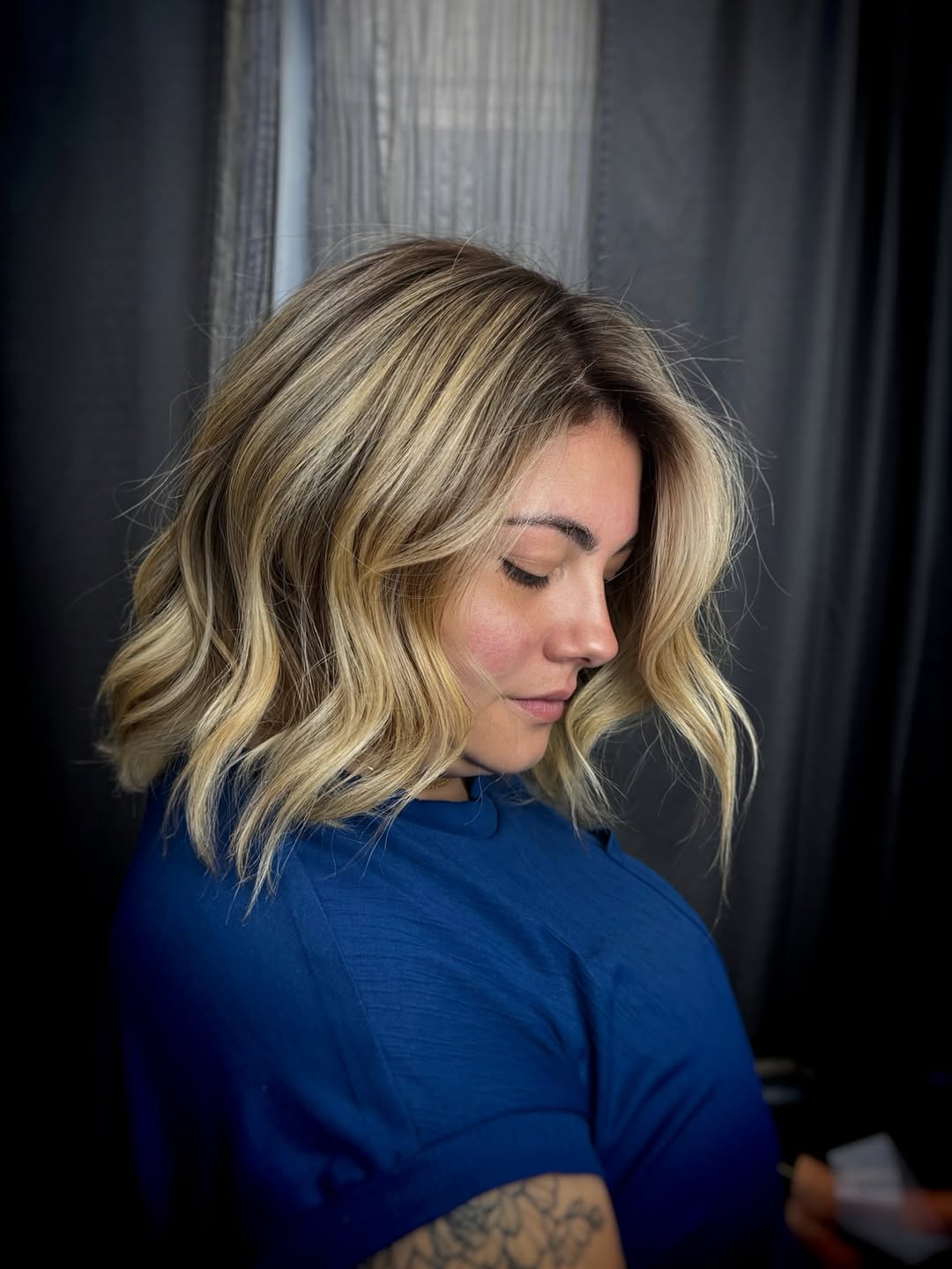
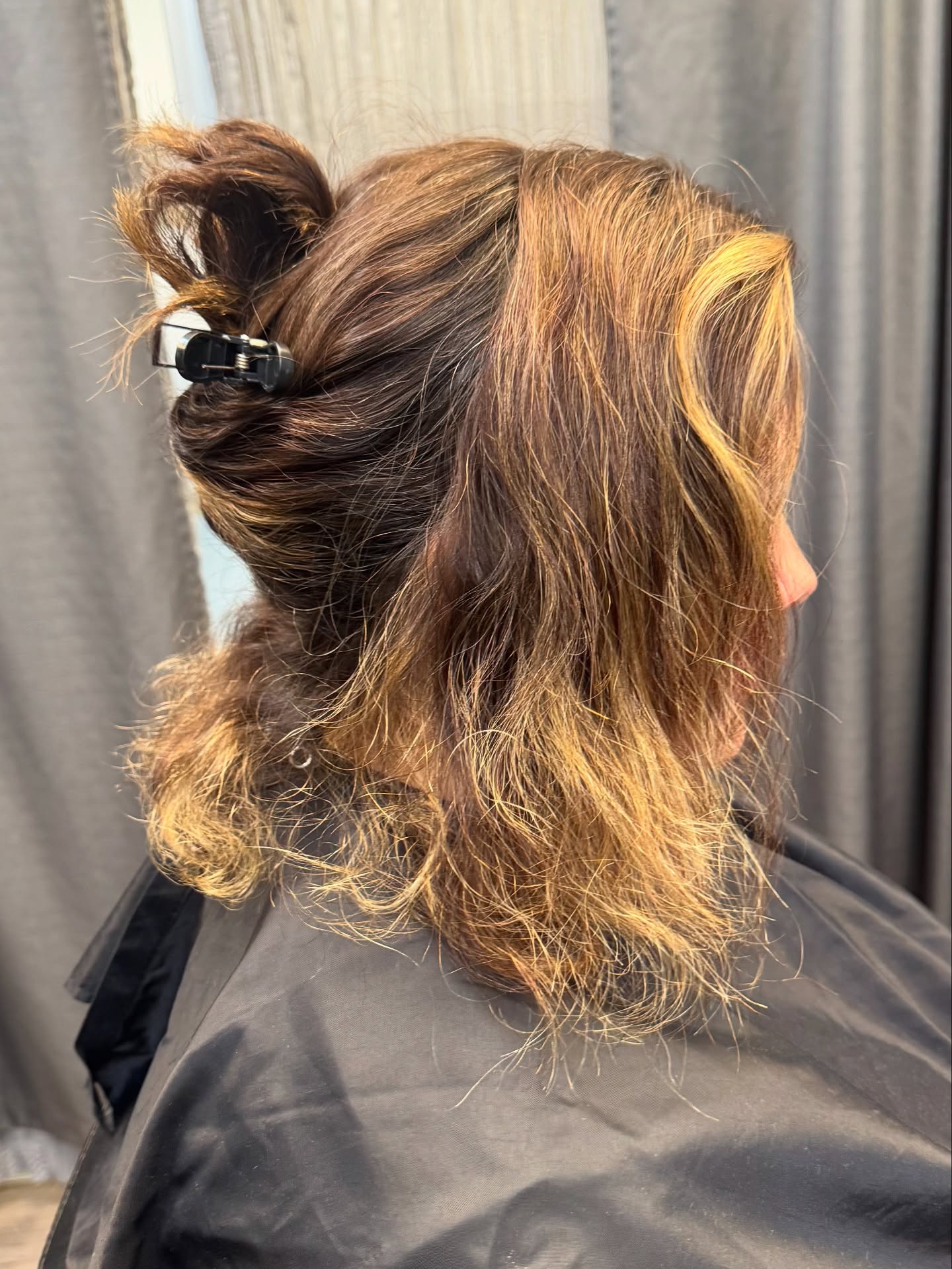
She sits in my chair with a photograph of the hair she wants and a head carrying the hair she has: bands of old color, a box dye from a difficult month, lightener that broke where it should have blended. And she asks the question I built this post to answer honestly: can we fix it today? Sometimes yes. Often, the truthful answer is that we can start today, and the fixing is a plan. Color correction is the highest-value work in my chair precisely because it refuses to be a single appointment pretending the past did not happen.
What a correction actually is
A regular color service applies color to a cooperative canvas. A correction inherits an uncooperative one: uneven porosity, three different colors stacked in bands, metallic salts from box dye, ends too fragile for the chemistry the roots are asking for. The work is not application; it is negotiation with everything already inside the hair. Some of it has to be removed, some neutralized, some protected like it is made of glass. Every correction is a different case file, which is why this service never starts with a price or a promise. It starts with a diagnosis. Some cases turn out to be gentler than they look, like the reverse balayage journeys, where going darker restores the balance. Others are blonde rescues that take a season. The diagnosis is what tells us which one yours is.
The consultation: where I interrogate the history
Before any chemistry, I need the truth, the whole truth, told without embarrassment. Every dye, every box, every salon visit, every treatment in the last two to three years, because hair remembers what memory edits out, and the strand will confess the rest. I look at the banding under proper light, at the elasticity, at where the hair is strong and where it is surviving. We talk about the real goal, which is sometimes different from the photograph: the photo is a direction, and part of my job is translating it into what this hair, in this condition, can honestly become, and in how many chapters. Clients who feel interrogated should know: every question is me refusing to gamble with their hair.
The strand test: the $85 that decides everything
For correction work, the strand test is not a formality; it is the investigation that writes the plan. A small section of hair goes through the intended chemistry and reports back: how it lifts, where it breaks, what color is hiding inside that nobody declared. It tells me whether the goal takes two sessions or four, whether a stage has to be repair before any lightener is allowed, and occasionally it delivers the verdict nobody wants and everybody needs: this hair cannot go there yet. The consultation and test are $85, credited to honesty rather than to product: you leave with a map, real numbers and a real calendar, whether or not you book the journey with me. No serious correction plan is born without this step, and any quote given without it is a guess wearing a uniform.
The plan: sessions, stages and sequencing
A real plan reads like a route, not a wish. Session one might be removal and evening out, building a canvas that did not exist. Session two is the first true color work. The blonde in the photograph might be session three, after repair weeks in between where the hair is rebuilt at home with bond care, the molecular repair that holds fragile hair together between appointments, because correction chemistry and correction patience are the same service. I will always tell you what session one can and cannot deliver: usually, a visible, honest improvement; rarely, the finished photograph. The clients who love their final result are the ones who were told the truth at the map stage and chose the route anyway. The disasters of this industry are almost never technical. They are promises.
Time and investment, without fog
Correction is priced on the total work: hours in the chair across sessions, product, expertise, and the supervised risk of chemistry on compromised hair. It costs more than a regular color for the same reason surgery costs more than a bandage. The shortcut version exists everywhere and its price arrives later, in breakage, in a second correction to fix the first, in growing out damage for a year. Between sessions, your part of the investment is discipline: the repair routine we agree on, the heat rules, the appointments kept. A correction is a contract between my plan and your patience, and it only pays out when both sides sign.
After the correction
When the target color finally lands, the work changes tense: from fixing to keeping. Corrections settle and shift in the first weeks, so the maintenance plan includes the gloss refresh, the home bond routine and a more attentive eye at the first follow-up than a regular color ever needs. Most corrected clients graduate to normal maintenance within a season, carrying a color that finally matches the photograph and hair that survived the journey. That graduation is the real product. The color is just the visible part.
Frequently asked questions
Can it be fixed in one session?
Sometimes, when the history is simple and the goal is modest. Banded, dark or damaged histories usually need staged sessions. The strand test is what turns this answer from a hope into a number for your specific hair.
Will a correction damage my hair?
Correction chemistry is real work on hair that is often already fragile, which is exactly why the plan includes testing, staging and repair between sessions. Done recklessly, yes, it damages. Done as a plan, it is how damaged hair gets rescued rather than sacrificed.
Why is the consultation paid?
Because the consultation and strand test are diagnostic work: time, product and a written plan with honest numbers. The $85 buys you the map. Whether you travel it with me is a separate decision, and the map is yours either way.
Can I go back to blonde after dark box dye?
Often yes, as a project rather than an appointment. The test strand reveals how the box dye lifts, and the plan sequences the stages so the blonde arrives on hair that can hold it. The timeline is the honest part most people skip.
How long does a full correction take?
From a single long session to a season of staged work, depending entirely on the history and the goal. Anyone who gives you a firm calendar before a strand test is selling you something other than the truth.
Start With the Map
If your hair has a history, bring it in, all of it, without embarrassment. The consultation and strand test cost $85 and end with a real plan, real numbers and a real calendar. What your hair can become starts there.
Book a Consultation