
November 2026 · Hair Color
Gray Blending: Letting the Gray In Without the Hard Line
Full coverage promises to erase the gray, and it does, for about two weeks. Then the line grows back and the bargain restarts. Gray blending makes a different deal: your white strands become part of the design instead of the enemy of it.
By Cris, licensed cosmetologist and owner of CRIS HAIR
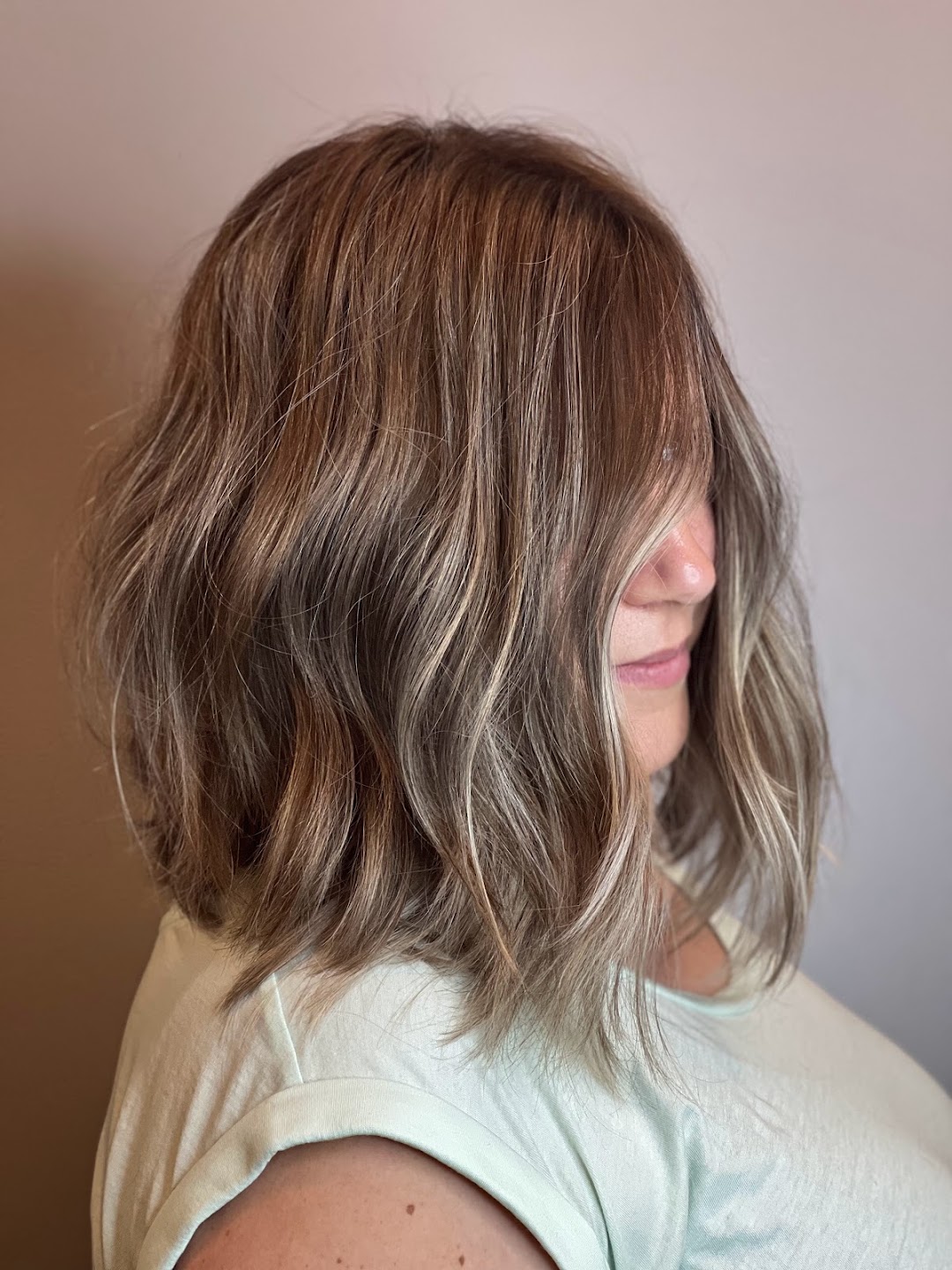
There is a sentence I hear in the chair more than almost any other: "I am tired of coloring my roots, but I am not ready to be gray." Those two halves feel like a contradiction only if the choice is binary, full coverage or nothing. It is not. Between the dye that erases everything and the grow-out that surrenders everything, there is a designed middle: gray blending, where the gray is woven into dimension, light and shadow, so the regrowth arrives softly instead of announcing itself in a stripe.
The problem with full coverage
Total coverage has one honest flaw: it works too well. The day it is done, not a single white strand shows, which means the day the hair grows, every white strand shows at once, in a clean hard line against the color. Two to three weeks later the line is back, and so is the appointment, forever. My clients do not actually hate coloring their hair. They hate the leash. The blending conversation starts when someone realizes the leash is the coverage itself, not the gray.
What gray blending actually is
Blending does not hide your gray; it hires it. We place highlights and lowlights around your natural pattern so the white strands read as the lightest pieces of the design, the way sun-lightened strands would. Gloss tunes the tone of everything together, because white hair loves to go yellow and dull, and a blended gray should look silver and intentional, not tired. When the hair grows, there is no line to find: the new white strands land inside a design that already contains white strands. The appointment stretches from weeks to months, and the mirror stops delivering ultimatums. It is the same low-maintenance philosophy behind the dimensional brunettes my chair is known for, pointed at a different pattern.
How the transition works in my chair
The first session is the honest one. If you arrive with years of dark, opaque color, we have to break the old line first, lifting and placing dimension where the band used to be, and that session is planned like a correction, because it is one. From there, sessions get smaller: partial placements that follow your pattern as it reveals itself, and gloss between them to keep the whites bright and the blend seamless. I will not promise you a finished transition in one visit, because a gray pattern takes months to fully show itself. What I promise is that at no point in those months do you look unfinished. Every stage is a design, not a waiting room. Some patterns even travel the reverse route, deepening as they blend. The pattern decides; I translate.
The maintenance, honestly
Blending is lower maintenance, not no maintenance. The white hair itself is a different texture, wirier, thirstier, and quicker to yellow from sun, minerals and heat, so it asks for gloss and a little respect at home. In exchange, your salon rhythm changes completely: instead of root appointments on a three-week leash, most of my blending clients come in a few times a year for placement, with gloss refreshes in between. The gray keeps arriving. It just arrives as part of the picture.
Who it is for, and who it is not
It is for the woman who is done with the stripe but not done with looking polished, who can look at her whites and see silver instead of surrender. It is not for the client who wants every white strand gone without exception; for her, full coverage done well is still the right service, and I will happily do it. Blending asks for one thing in return: patience with the in-between, and trust that elegance is not the same as erasure.
Frequently asked questions
How long until the transition is complete?
Plan on months, not weeks. Hair grows about half an inch a month, and your true pattern only reveals itself as it grows. Most clients feel fully arrived somewhere between six months and a year, depending on how dark and opaque the starting color was, and every stage along the way is designed to be worn, not endured.
Does it cost more than regular color?
The first session usually costs more, because breaking an old coverage line is correction work. After that, the math turns in your favor: fewer, smaller appointments across the year instead of a root touch-up every three weeks.
Will my white hair turn yellow?
White hair does drift yellow from sun, hard water, heat styling and even some products. That is what the gloss appointments are for: they neutralize the warmth and keep the silver bright. A purple shampoo at home, used occasionally, helps between visits.
Can I go back to full coverage if I hate it?
Yes, completely. Nothing about blending is permanent or damaging to reverse. Color can go back over a blend in one session. Most clients who try it do not ask to, but the door stays open, and I think that is part of why they relax into it.
Does it work on short hair?
Yes. The design is smaller, but the principle is the same: dimension placed around your pattern so the regrowth has no line to draw. Short hair actually completes the transition faster, simply because there is less old color to grow out.
Done With the Stripe?
You do not have to choose between coloring your roots forever and surrendering to the grow-out. Bring your pattern to the chair and let us design the middle: silver, woven in, on purpose.
Book a Consultation